Nano-Flott: biofunkcjonalne nanomateriały w zastosowaniach proekologicznych
Projektujemy i badamy nanomateriały dopasowane do konkretnych zastosowań. Skupiamy się na zrozumieniu zależności między strukturą a ich właściwościami.
Nanomateriały
Nano-Flott zajmuje się projektowaniem nanomateriałów dostosowanych do konkretnych zastosowań. Nasze materiały powstają z myślą o efektywności, trwałości i zrównoważonym rozwoju. Projektujemy i syntezujemy nanocząstki nieorganiczne, wykorzystywane w obszarze inżynierii materiałowej oraz technologii środowiskowych. Co tworzymy? Nanocząstki metaliczne i niemetaliczne, Tlenki metali i niemetali, Sole, siarczki, kompozyty, Nanocząstki w czystej postaci i na nośnikach.
Dzięki zaawansowanej technologii i precyzyjnej inżynierii możemy dostosować właściwości nanomateriałów do konkretnych zastosowań!


W ramach prac nad nanomateriałami opracowywane są nanocząstki metali (Ag, Au, Cu) oraz niemetali (Se), syntezowane zarówno w środowisku wodnym, jak i w rozpuszczalnikach głęboko eutektycznych (DES). Procesy prowadzone są w sposób umożliwiający kontrolę nad wielkością cząstek (w zakresie 10–100 nm) oraz ich stężeniem, sięgającym nawet 5000 mg/dm³.
Otrzymane układy charakteryzują się wysoką stabilnością koloidalną oraz aktywnością biologiczną. Nanocząstki wykazują działanie bakteriobójcze, grzybobójcze i wirusobójcze, a także zdolność do oddziaływania z biofilmami, co czyni je potencjalnie użytecznymi w zastosowaniach przeciwdrobnoustrojowych oraz środowiskowych.
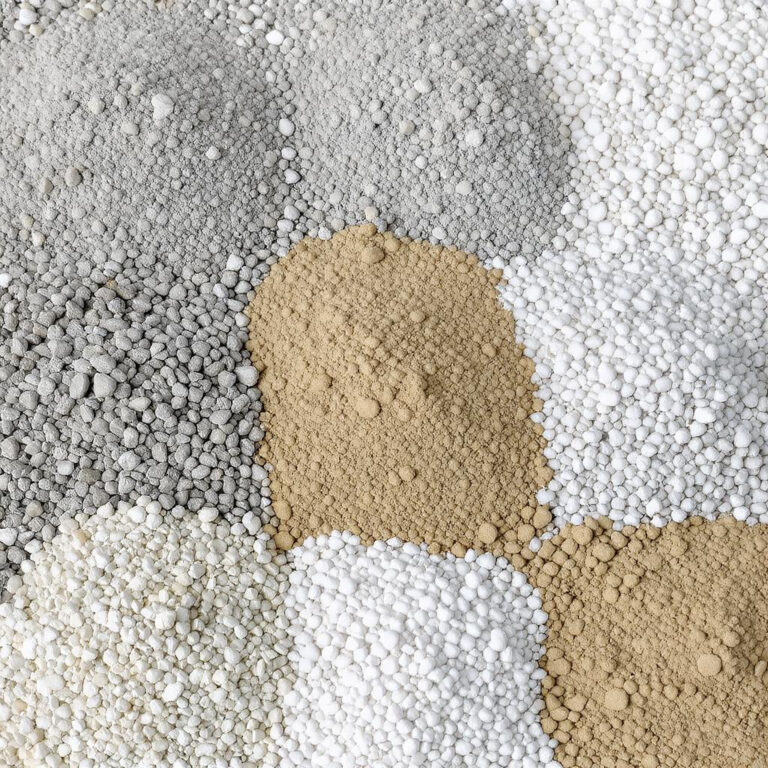
W ramach badań opracowywane są nanocząstki tlenków metali jedno- i wieloskładnikowych, takich jak ZnO, Ag₂O, Cu₂O, MnO₂, Fe₂O₃, CuO oraz Fe₃O₄. Wytwarzane są również układy heterogeniczne, np. ZnO–Fe₃O₄, o synergicznych właściwościach funkcjonalnych. Synteza prowadzona jest w środowisku wodnym oraz w rozpuszczalnikach głęboko eutektycznych, w postaci zawiesin lub materiałów proszkowych.
Nanocząstki charakteryzują się bioaktywnością, właściwościami fotokatalitycznymi (zarówno w zakresie promieniowania UV, jak i światła widzialnego), aktywnością biokatalityczną oraz zdolnościami magnetycznymi. Ich parametry fizykochemiczne są dostosowywane do planowanego zastosowania, z uwzględnieniem odpowiedniej morfologii, struktury i składu chemicznego.
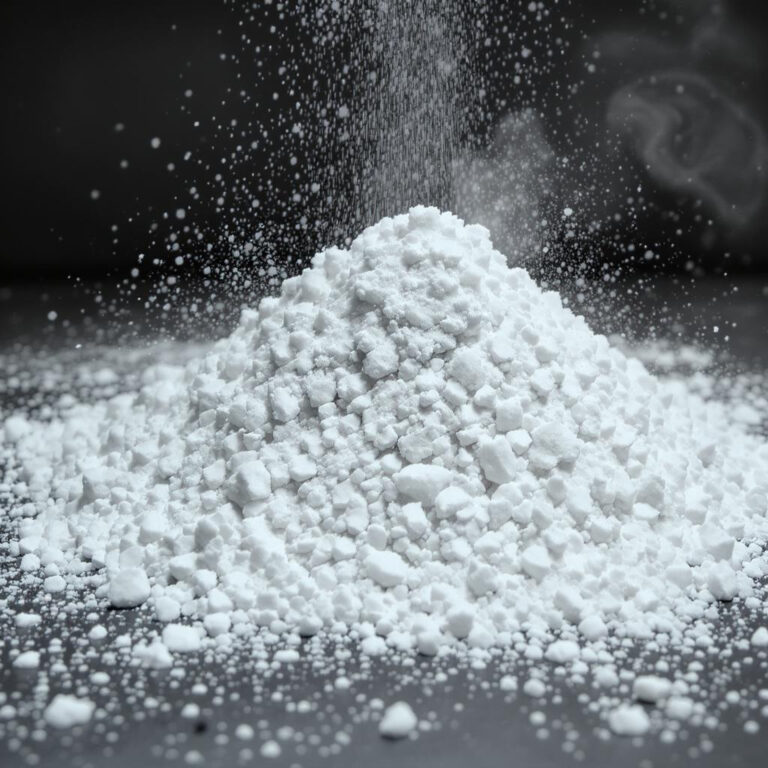
Opracowywane są nanocząstki soli nieorganicznych o zróżnicowanym składzie, uzyskiwane poprzez dobór odpowiednich par kationów (Ag⁺, Cu²⁺, Fe²⁺/Fe³⁺, Zn²⁺, Mo⁶⁺, Mn²⁺) i anionów (fosforanowych, węglanowych, siarczanowych, molibdenianowych, siarczkowych, chlorkowych, fluorkowych). Takie podejście umożliwia tworzenie materiałów o ukierunkowanych właściwościach fizykochemicznych i funkcjonalnych.
Otrzymywane nanocząstki różnią się między sobą m.in. aktywnością mikrobiologiczną, zdolnością do kontrolowanego uwalniania bioaktywnych składników i poszczególnych jonów, stabilnością chemiczną oraz rozpuszczalnością w środowisku wodnym. Dzięki temu mogą być dostosowywane do specyficznych zastosowań, w tym w obszarze technologii przeciwdrobnoustrojowych, rolnictwa i inżynierii środowiska.
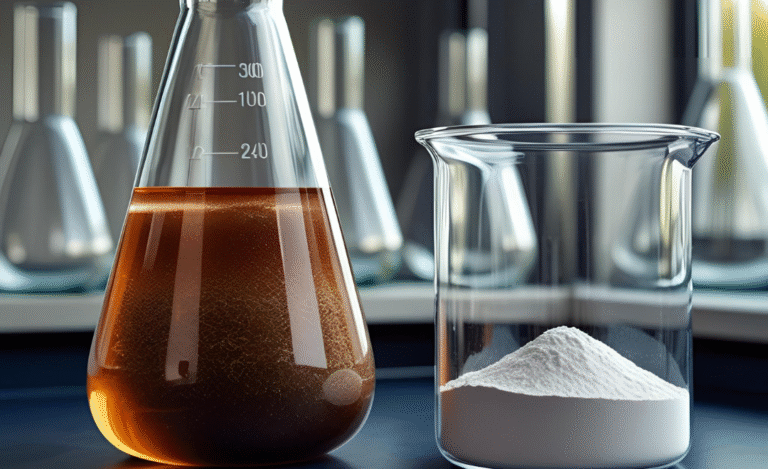
Podwójne wodorotlenki warstwowe (ang. Layered Double Hydroxides, LDH) to materiały o uporządkowanej strukturze warstwowej, zbudowane z naprzemiennie ułożonych warstw kationów metali i przestrzeni międzywarstwowej wypełnionej anionami oraz cząsteczkami wody. Charakteryzują się dużą powierzchnią właściwą, możliwością wymiany jonów i wysoką podatnością na modyfikacje.
Opracowywane są LDH zawierające różne kombinacje kationów metali, takich jak Al, Mg, Zn, Ca, Ni, Fe, Cu i Mn, co pozwala na precyzyjne dopasowanie ich właściwości do określonych zastosowań. Dzięki elastyczności strukturalnej możliwe jest również projektowanie nowych kompozycji o niestandardowym składzie.
Materiały te wykazują szereg pożądanych właściwości funkcjonalnych: bioaktywność, fotokatalityczność, aktywność biokatalityczną oraz zdolność sorpcji zanieczyszczeń. Ich struktura umożliwia kontrolowane uwalnianie substancji aktywnych, co czyni je użytecznymi jako nośniki leków, jonów metali, pestycydów lub związków przeciwdrobnoustrojowych. Dzięki wysokiej stabilności chemicznej i fizycznej LDH znajdują zastosowanie w obszarach takich jak oczyszczanie środowiska, kataliza, medycyna, rolnictwo czy magazynowanie jonów i związków chemicznych.
Artykuły Naukowe
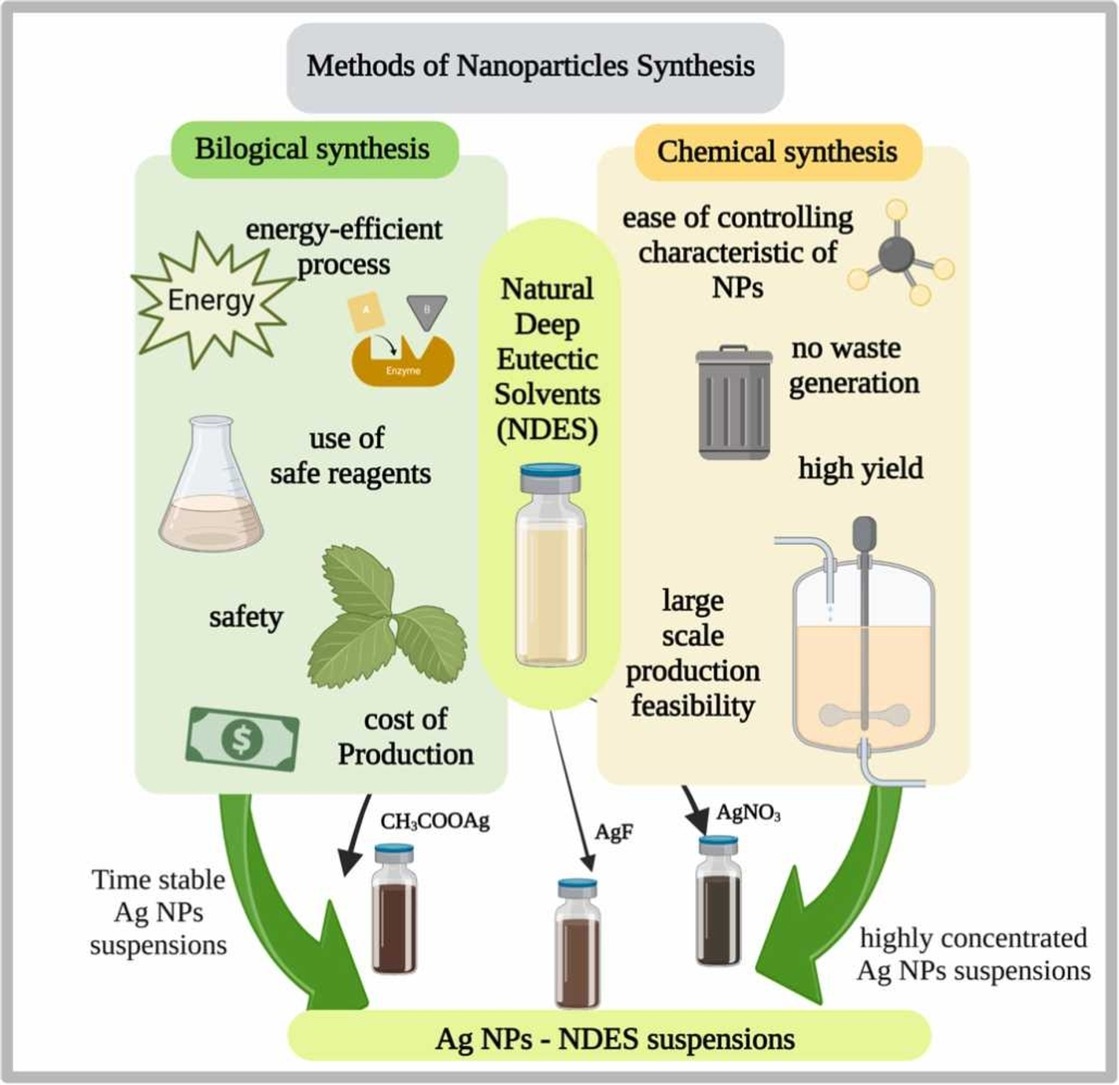
Cleaner synthesis of betaine-based natural deep eutectic solvents and the effect of their composition on silver nanoparticles suspensions; Industrial Crops and Products, Volume 233, 1 October 2025, 121354
Abstrakt
A key challenge in nanotechnology remains the development of methods to produce nanoparticles in high concentrations that are stable over time, without relying on toxic or costly reagents. The aim of the study was to analyse the effect of the composition of natural deep eutectic solvents on the stability, concentration and size of formed silver nanoparticles (AgNPs).
By selecting the composition of the natural deep eutectic solvent (NDES), it was feasible to obtain a product that simultaneously performed the functions of reductant, stabiliser and solvent for AgNPs while maintaining the low price of the NDES and its non-toxicity. AgNPs obtained in an NDES based on betaine-glucose-ethylene glycol were characterised by a particle size of about 15 nm, and 3 −8 nm nanoparticles represented more than 80 %vol. Depending on the composition, AgNPs suspensions were characterised by a stability of more than 180 days, and the possibility of increasing the concentration of AgNPs from 250 to 5000 ppm (mg/kg) was confirmed. The study proved the relevance of NDESs in nanotechnology as a versatile and multifunctional material, especially in the synthesis of stable suspensions of high-concentration AgNPs.
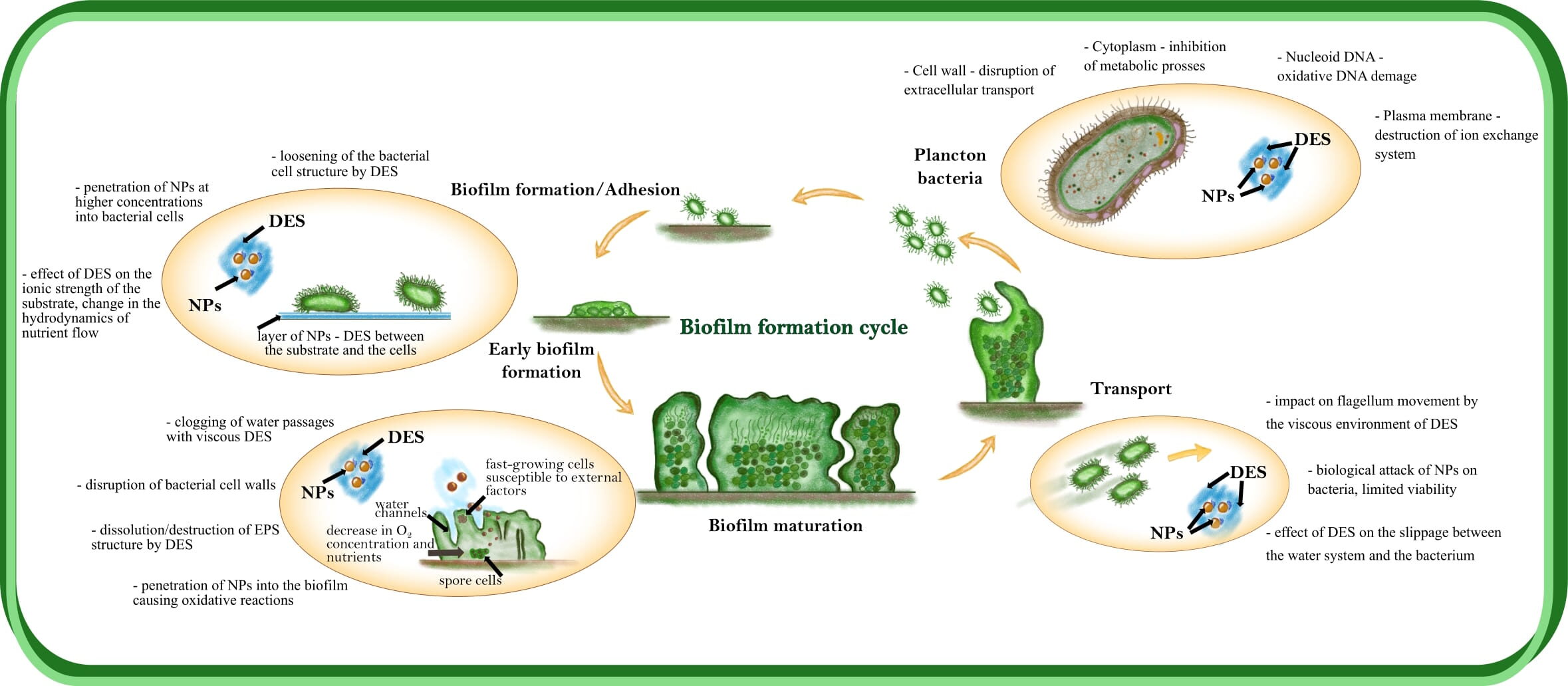
Bioactivity and antibiofilm activity of metal and non-metal nanoparticles in DES against resistant microorganisms; International Biodeterioration & Biodegradation, Volume 203, July 2025, 106121
Abstrakt
The increasing resistance of microorganisms to antibiotics necessitates the search for new therapeutic strategies, including the use of nanoparticles with bioactive properties. The aim of this study was to investigate the antibiofilm and antimicrobial properties of metal and non-metal (Ag, Cu, Se) nanoparticles, obtained in deep eutectic solvent (DES), against resistant bacterial strains.
The study investigated the determination of the minimum inhibitory concentration (MIC) and minimum biocidal concentration (MBC) of selected Me-DES systems. The results showed that the MBCs of S. aureus ATCC 700699 and E. coli ATCC BAA -2523 for Ag-DES were 18.2 and 15.6 μg/mL, respectively, while those for Cu-DES and Se-DES were 125 μg/mL. Serial passages of bacterial cells were performed to assess the ability of microorganisms to develop resistance to the test systems, indicating their limited adaptability against Ag-DES and Cu-DES (MIC maintenance for 24 passages). The antibiofilm activity of the nanoparticles was confirmed by their ability to remove 12–37 % of S.Aureus bacterial biofilm and 23–51 % of E.coli biofilm after 24 h of exposure. In addition, the MTT cytotoxicity test showed that Me-DES systems exhibited low cytotoxicity against cell lines (A549). Analysis of the mobility of microorganisms after exposure to nanoparticles indicated a reduction in mobility capacity in the range of 14–68 % already at a concentration of 31.3 μg/mL, depending on the nanoparticles used. The study demonstrates that metal and non-metal nanoparticles in DES represent a promising system to combat resistant microorganisms, while reducing their ability to develop resistance and destroying the bacterial biofilm.
Green methods for obtaining deep eutectic solvents (DES); Journal of Cleaner Production
Volume 434, 1 January 2024, 139914
Abstrakt
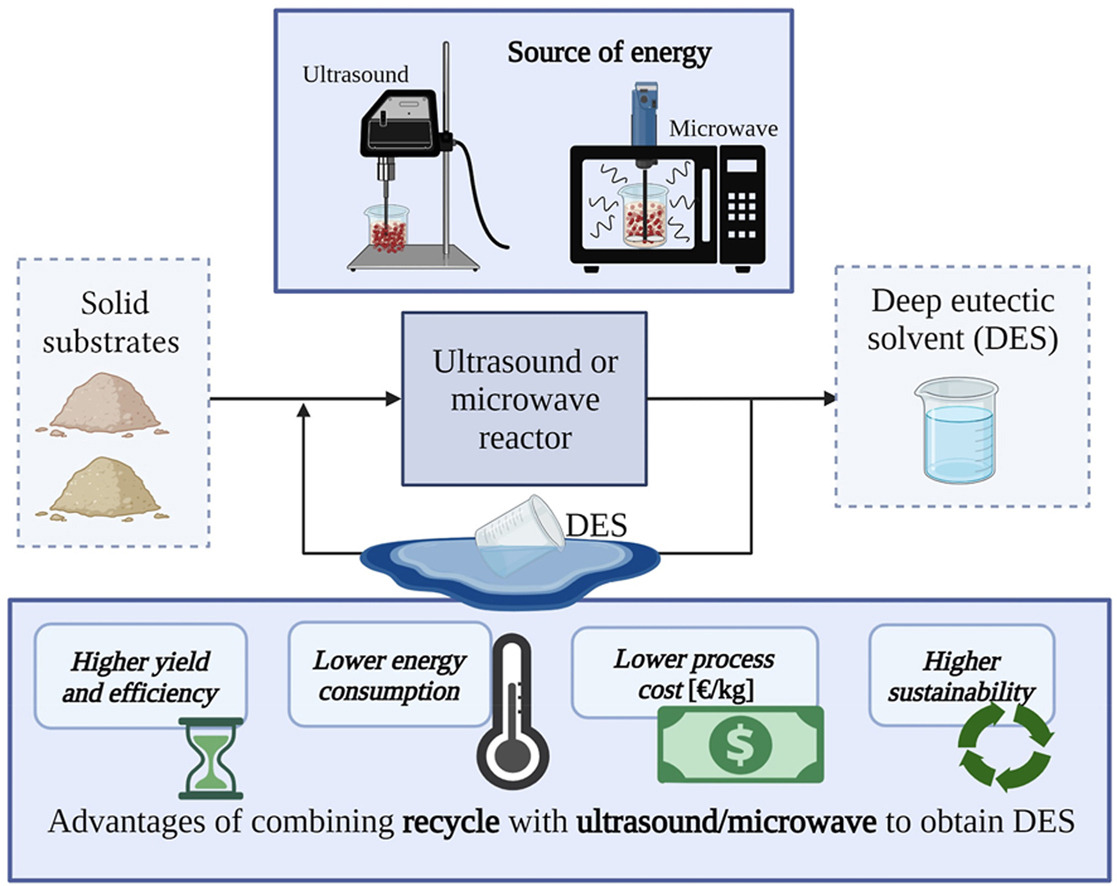
A group of materials with great application potential are deep eutectic solvents (DES). This paper presents an alternative approach to methods of obtaining them, using microwave radiation and ultrasound as energy sources.
One of the main challenges associated with DES is to find economical methods to obtain them on an increased scale. By using already finished DES that are in the liquid phase as a medium to initiate energy transfer to raw materials and initiate DES formation, it is possible to obtain DES using ultrasound and microwaves. The time required to obtain selected DES, e.g., choline chloride with urea, has been reduced to 4–5 min, with a 12-fold increase in process yields with further potential for scale-up (30 g/h for the conventional process, to as much as 800 g/h using the microwave process). The heating efficiency of microwave and ultrasonic methods is 74.5% and 53.3%, respectively, while the conventional heating process shows a heating efficiency of 5.0%. The presented results confirm the possibility of increasing the scale of obtaining DES, which will help to use these valuable solvents on a large scale in the future. At the same time, it was confirmed that by designing the process appropriately and relying only on DES raw materials and products, it is feasible to use alternative sources of energy in obtaining processes.
Selective and complementary antimicrobial and antiviral activity of silver, copper, and selenium nanoparticle suspensions in deep eutectic solvent; Environmental Research
Volume 264, Part 1, 1 January 2025, 12035
Abstrakt
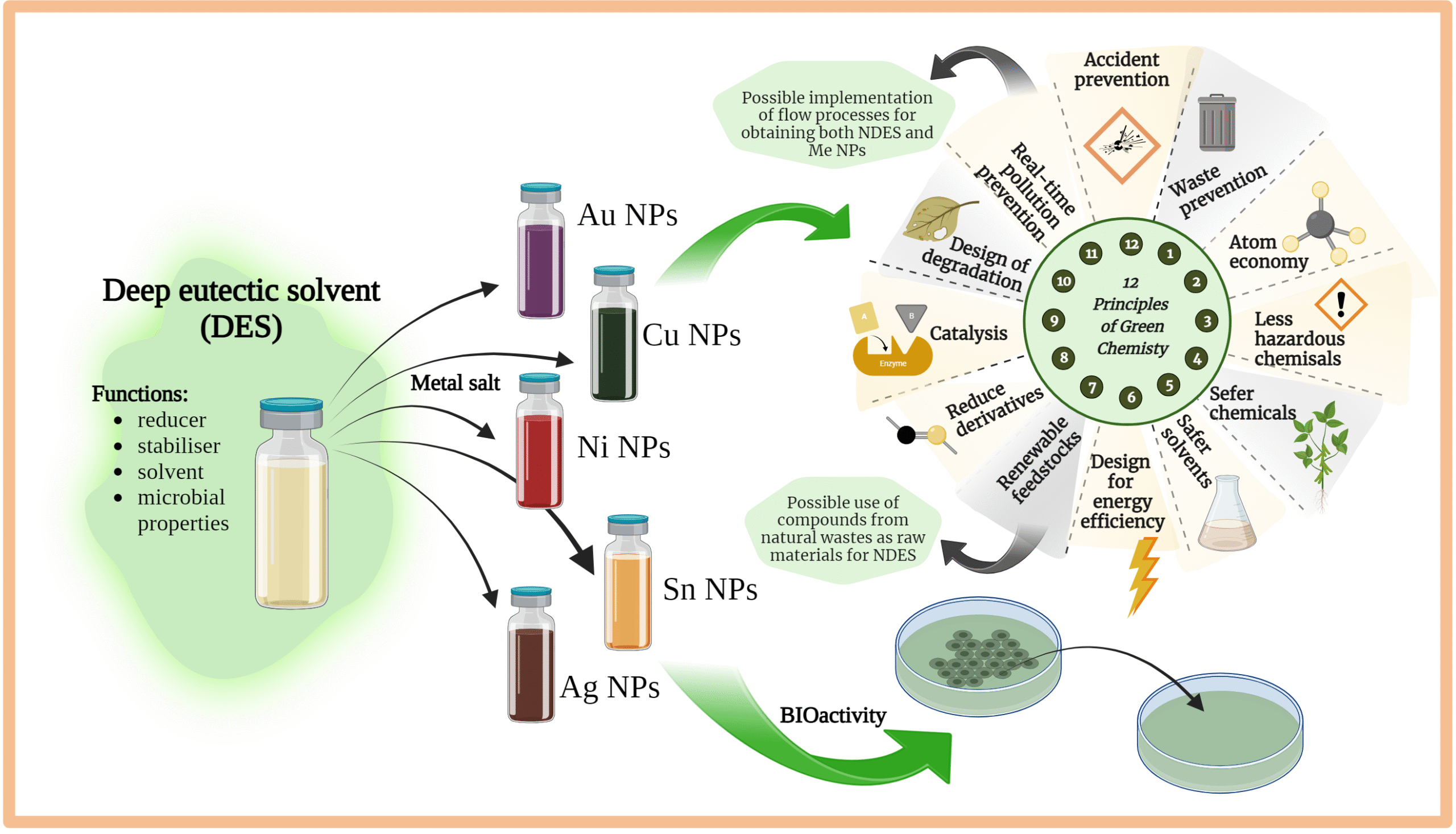
Metallic and nonmetallic nanoparticles are bioactive compounds that exhibit broad resistance to bacteria, fungi, and even viruses. In this paper, a deep eutectic solvent (DES) based on betaine, glucose, and ethylene glycol was used to obtain suspensions of silver, copper, and selenium nanoparticles.
Depending on the nanoparticle precursor used, Ag, Cu, and Se nanoparticles (NPs) with an average particle size of 50–100 nm were prepared, and the properties of the products were confirmed by the STEM, XPS, DLS, and UV–VIS methods. The use of a DES, without the need for additional reactants, allowed the production of stable nanoparticles with increased bioactivity against microorganisms. The obtained systems showed high bioactivity against strains of S. aureus, E. coli, and C. albicans. Nanosuspensions, by generating reactive oxygen species (ROSs), caused enzyme inactivation and the inhibition of the metabolic processes of microorganisms. Particle-generated cell degradation processes were investigated through ROS generation assays, API assays, the determination of the MIC/MBC, and cell decomposition rate assays in the early logarithmic growth phase. Copper nanoparticles derived from copper(II) acetate were also highly active against the human influenza A/H1N1 viruses, human coronavirus (HCoV-OC43, Betacoronavirus 1), and vesicular stomatitis virus (VSV, Rhabdoviridae), showing a virus titer reduction of more than 93.7−99.96%.
Działaj z nami!
…